Floor Tiling Guide for Kiwi Homes: What to Consider Before You Start
Floor tiling is one of the most effective ways to upgrade a home, but it is often more complex than many homeowners expect. As Auckland professional tilers with years of on-site experience, the team at Top End Tiling has seen how proper planning can make or break the result. A well-finished tiled floor is not only about aesthetics; it is about long-term durability, structural stability, and correct installation.
This guide is designed for anyone preparing to install floor tiles—whether you are renovating, planning a new build, or simply wanting to understand the process before work begins.
Why Floor Tiling Requires Professional Planning
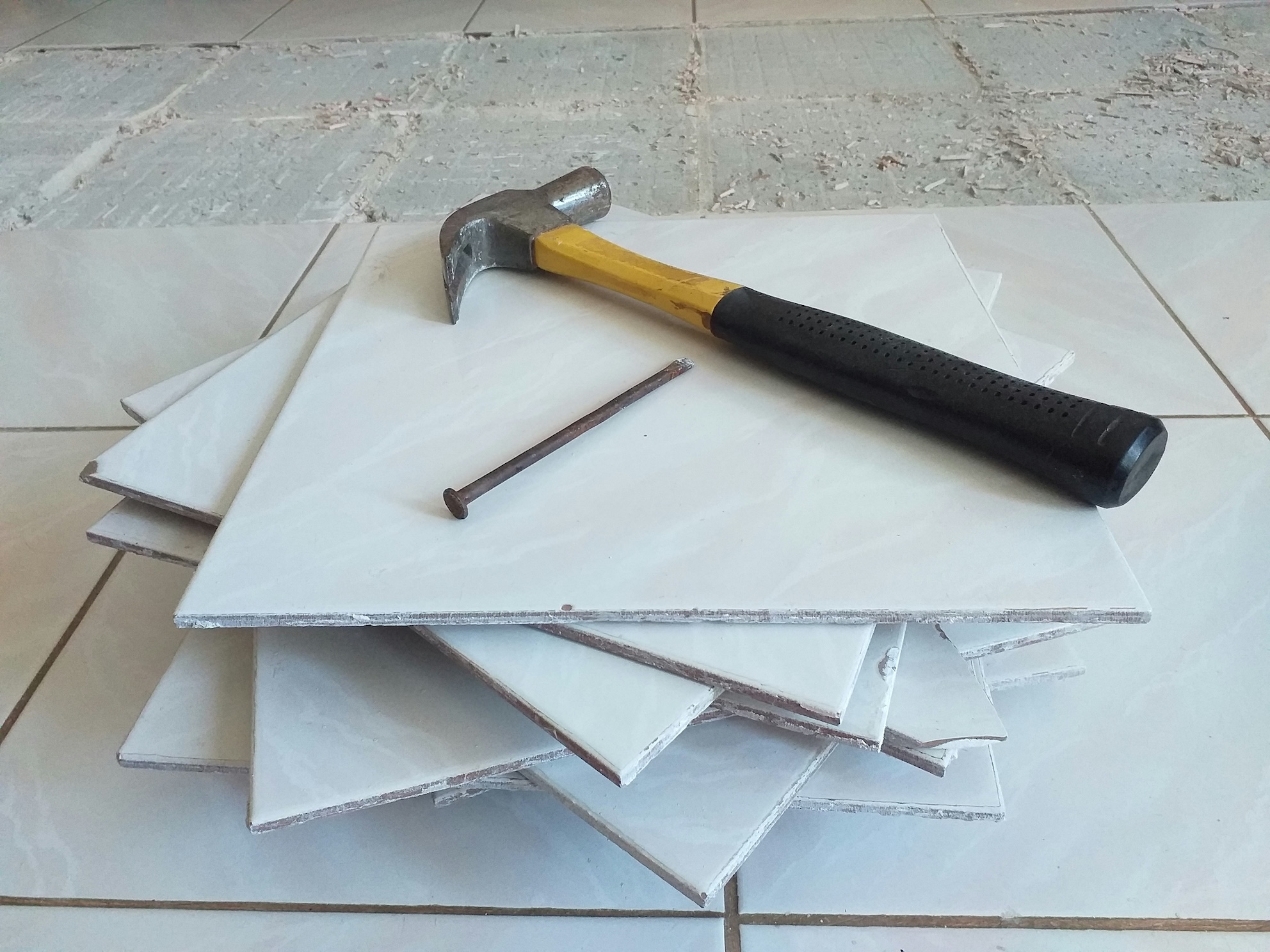
Floor tiling relies heavily on the condition of the substrate beneath it. If the base is uneven or unstable, tiles can become hollow, crack, or shift over time. This is particularly common in older Auckland homes where settlement, moisture, or movement can affect the floor structure.
A professional tiler evaluates:
- Subfloor levels and overall stability
- Moisture conditions affecting tiles and adhesives
- The right tile type for each room, as kitchens, bathrooms, laundries, and outdoor areas perform differently
- Safety requirements and long-term durability
A skilled tiling contractor will assess the space, recommend materials suited to New Zealand’s climate, and ensure your chosen tiles perform well for decades, not just the first few years.
Choosing the Right Floor Tiles
Tile Material
The material you choose influences durability, maintenance needs, and design.
- Porcelain tiles: High density and strength, ideal for high-traffic homes and bathrooms.
- Ceramic tiles: A cost-effective option for general living areas with moderate use.
- Natural stone tiles: A premium choice offering elegance, though they require sealing and ongoing care.
Slip Rating
Slip resistance is essential in areas prone to water exposure. Kitchens, bathrooms, laundries, and entryways benefit from tiles with an appropriate slip rating, especially in busy family homes or properties with pets and elderly residents.
Tile Size & Pattern
Tile size affects the overall look of the room.
- Large-format tiles create a clean, modern appearance and reduce grout lines.
- Small tiles offer more flexibility for slopes, angles, and feature patterns.
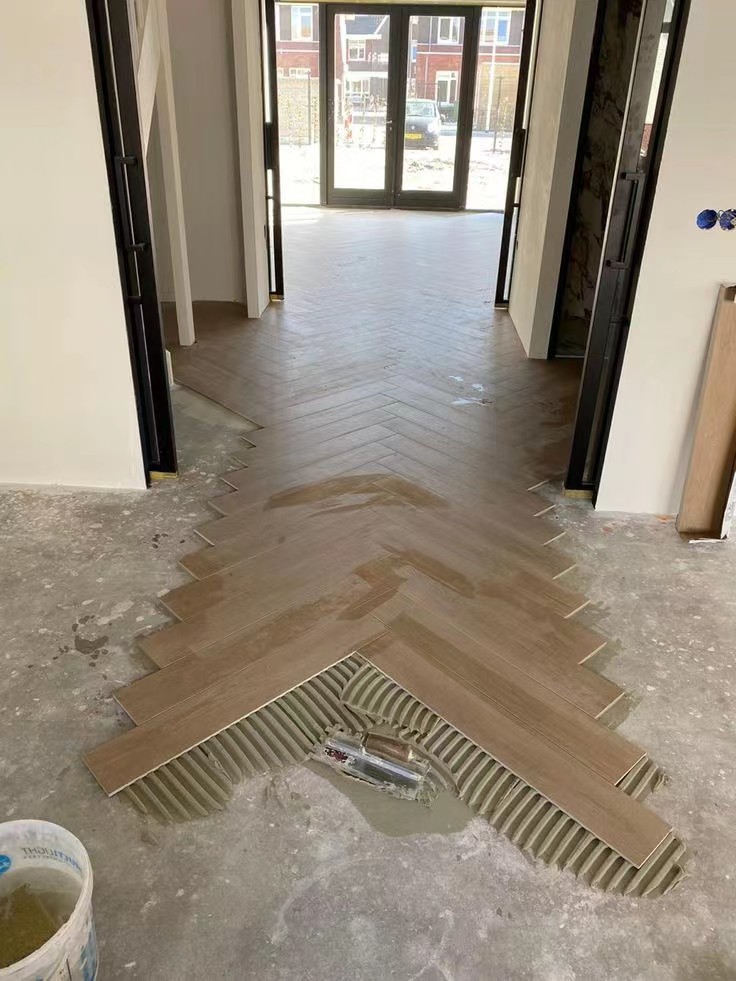
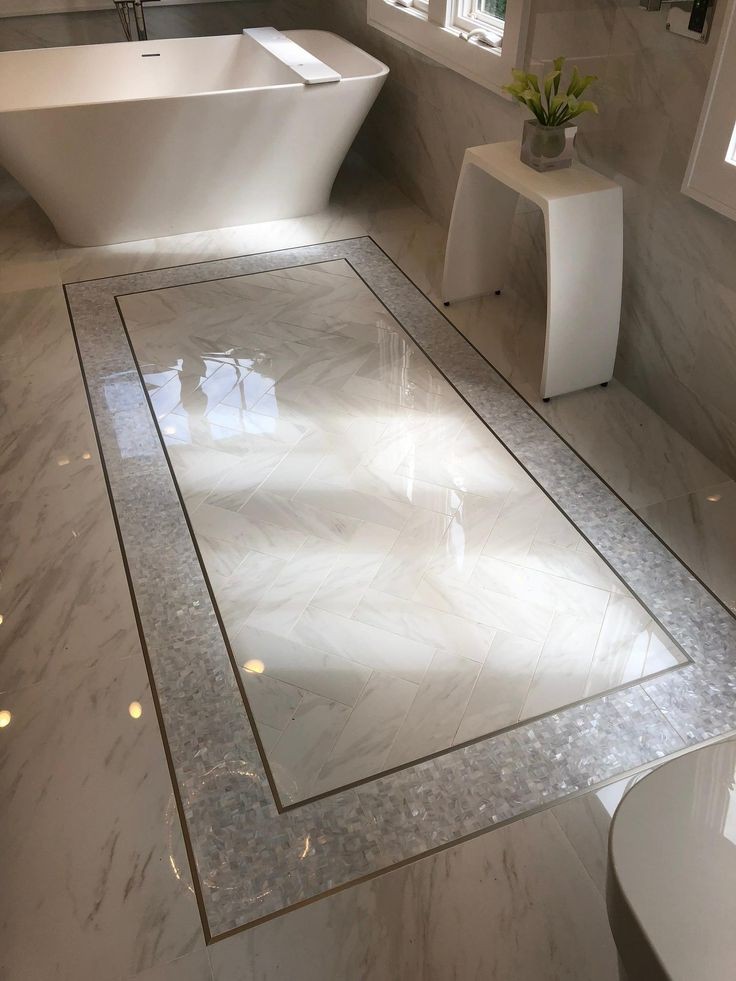
- Patterns like herringbone or staggered layouts can visually expand or define a space but require experienced installation.
Waterproofing & Moisture Protection
Waterproofing is a critical step in New Zealand homes, particularly due to humidity and building code requirements. Certified waterproofing ensures that wet areas—bathrooms, kitchens, laundries, and entryways—are protected from leaks, mould growth, and long-term structural damage.
At Top End Tiling, our certified waterproofing specialists follow NZ Building Code standards and use approved systems designed for local conditions. Proper moisture protection is not negotiable and significantly reduces the risk of costly repairs in the future.
Floor Tile Installation: What Homeowners Should Expect
Timeline
Every project varies, but homeowners can expect:
- Site preparation and levelling
- Waterproofing and drying time
- Tile installation
- Grouting and finishing
Smaller rooms may take only a few days, while larger or complex areas require more time.
Dust Control & Site Prep
Professional tilers protect surrounding areas, manage dust, and ensure other parts of your home remain clean throughout the project.
Grouting Options
Grout colour affects the final look. Lighter grout can brighten a room, while darker grout offers better stain resistance.
After-Care Instructions
Once tiles are installed, avoid heavy traffic until adhesives and grout have fully cured. Regular cleaning with non-abrasive products keeps the surface looking new.
Why Hire a Professional Tiling Contractor
Top End Tiling brings:
- Over 10 years of hands-on tiling experience
- Expertise in Auckland residential and commercial projects
- Full services including floor tiling, waterproofing, screeding, and outdoor tiling
- Compliance with the New Zealand Building Code
- A focus on long-term durability, accuracy, and reduced rework risk
Choosing a qualified tiling contractor ensures every stage—from preparation to finishing—is completed to a high standard, protecting your investment and delivering a result you will be proud of.
Conclusion
Successful floor tiling starts with choosing the right tiles, preparing the substrate, ensuring proper waterproofing, and relying on expert installation. With the right planning, your tiled floors can stay strong and beautiful for years to come.
For expert floor tiling across Auckland, request a free quote from Top End Tiling today.